Self-Portrait Phase 1
This year, I started my master's thesis project at the Cologne Game Lab and IFS Internationale Filmschule Köln. Photogrammetry was the primary scanning method to create a realistic digital human of myself. This breakdown covers the entire process, from capturing photogrammetric data to transforming it into a high-quality digital twin of me for both offline and real-time rendering.
The head scan was performed using a single-camera setup due to equipment limitations. Although this differs from standard VFX workflows, which typically rely on multi-camera systems for higher accuracy, the process was designed to follow industry practices as closely as possible within the available resources.
The body photogrammetry process was carried out separately in collaboration with TU Dortmund. For this, a multi-camera scanning setup consisting of 56 synchronized cameras was employed to capture a full-body scan in a single shot.
This series will focus on the offline rendering process.
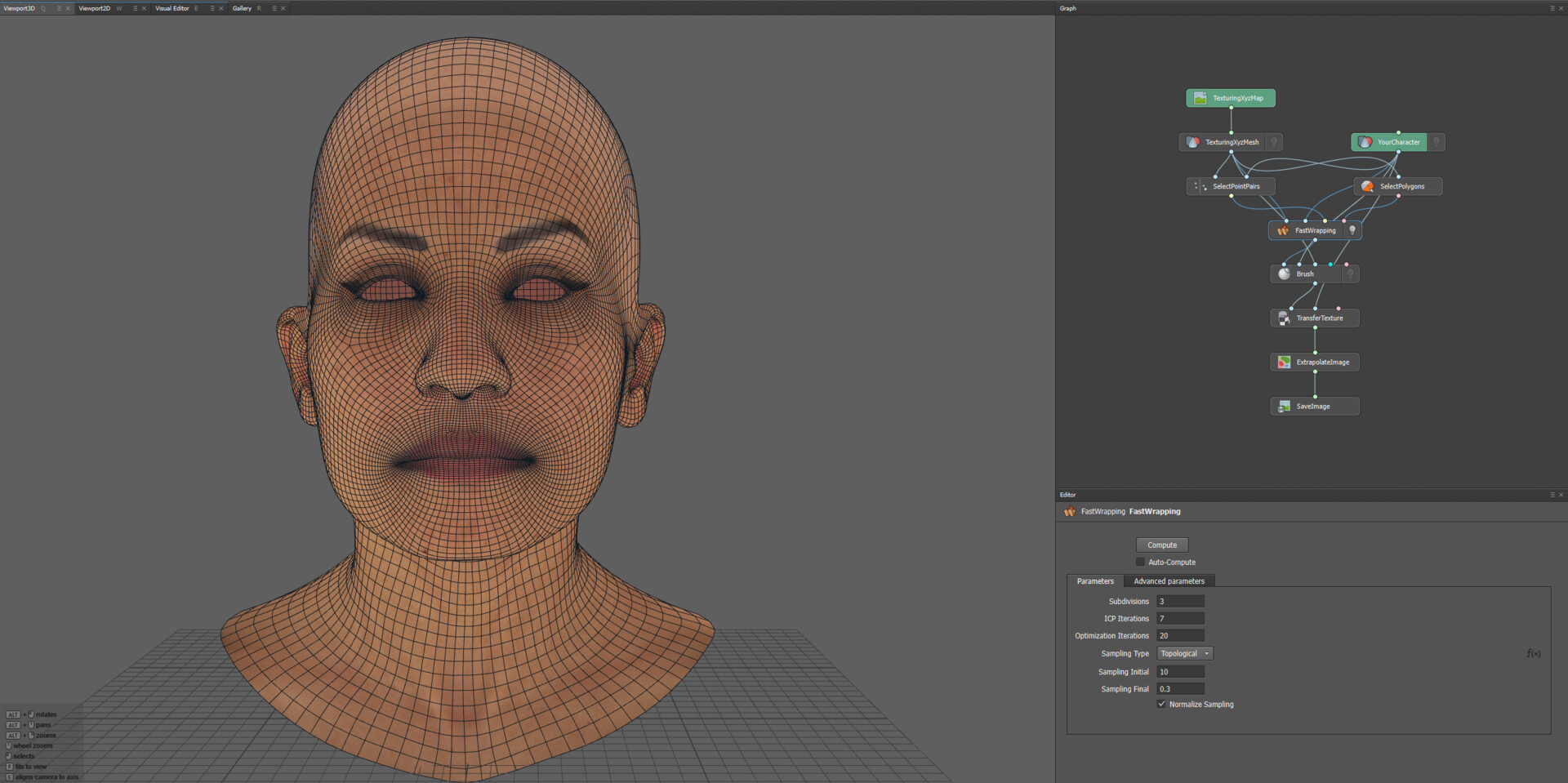
In this first part, I briefly demonstrate the workflow, including the modeling and cleanup phases. Following the reconstruction, the 3D scan was imported into ZBrush for refinement. This phase involved artifact cleanup, surface smoothing, and manually reconstructing missing elements such as the ears and eyes. In the second phase, I will focus on developing realistic hair using XGen Core.
Links to All Phases:
Phase 4: https://www.artstation.com/artwork/0lEAN4
Phase 3: https://www.artstation.com/artwork/4N8yNl
Phase 2: https://www.artstation.com/artwork/1Nwmn3


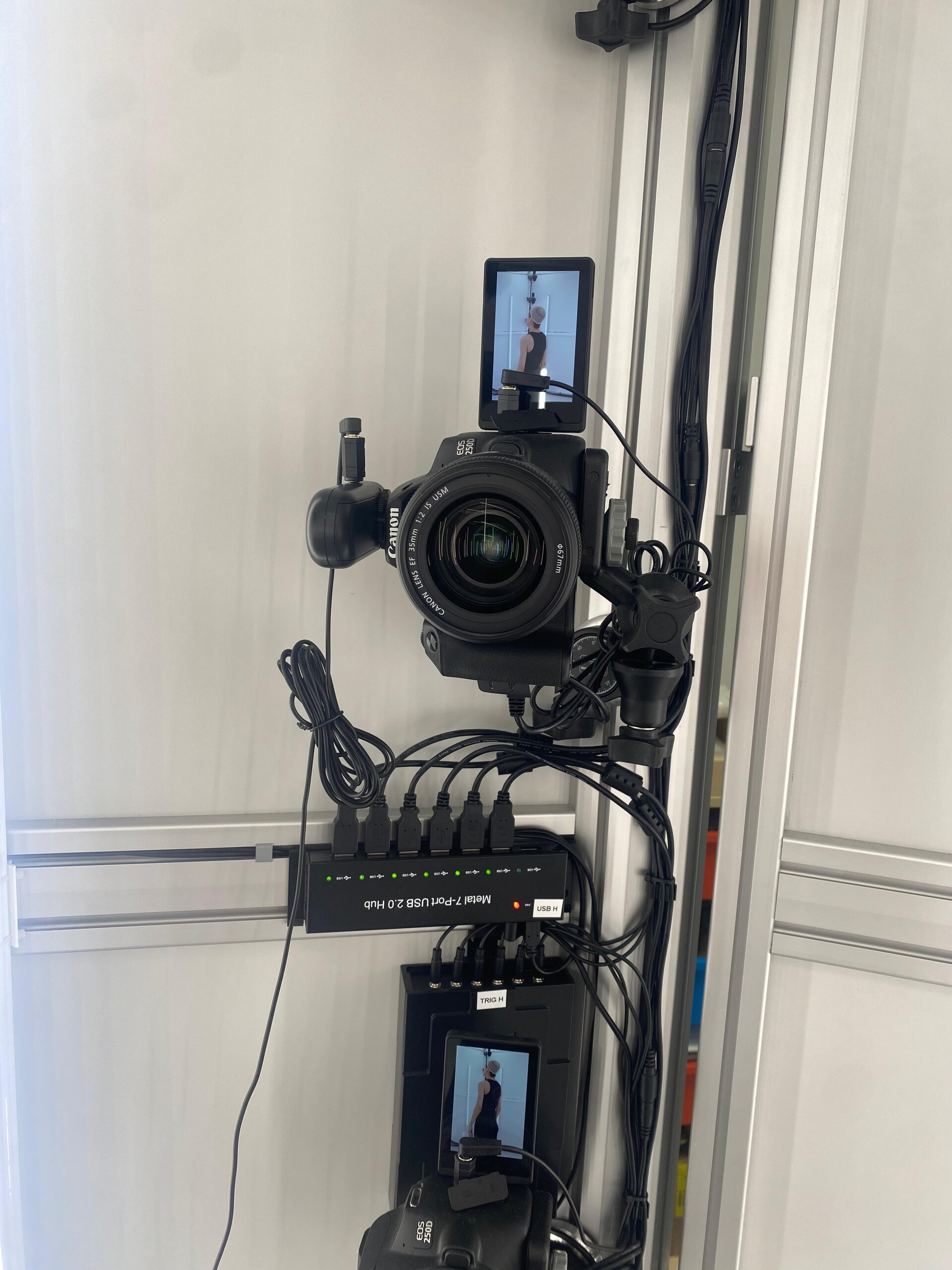
Canon EOS-based scanner